
Problems with timber decking in Australia: causes and care
A well-maintained timber deck can last 40 to 50 years in Australia, but moisture, poor ventilation and delayed repairs can shorten its life. The problems with timber decking in Australia often start when water remains in the boards or beneath the structure, creating conditions for warping, mould and decay.
It’s understandable to weigh timber’s natural appearance against the ongoing care it needs and wonder whether composite decking is worth considering. The answer depends on what matters most for your deck: its finish, the maintenance you’re prepared to do and the conditions it will face.
This article explains when common timber deck problems arise, how sealing can help limit water damage, and what mould, pests and decay can mean for a deck’s lifespan. You’ll also find practical signs to watch for and a clear way to compare timber care with composite decking.
Table of Contents
1. When do decking mistakes happen?
Problems with timber decking in Australia often begin when weather exposure meets poor drainage, inadequate maintenance or unsuitable construction. Heavy rain can leave boards wet, while intense UV exposure can weather unprotected surfaces. Salty coastal air can accelerate corrosion in metal fixings. In wet conditions, metal fragments left on boards may react with timber tannins and leave black stains.
Look beyond the surface. A bouncy or wobbly timber deck may indicate failing joists or bearers, while cracked boards and loose connections can create hazards. Pay particular attention to fixings in coastal settings, as rust can weaken the connections between boards and the supporting frame. Sweep away leaves and debris regularly, then inspect the fixings and structure for changes. These checks can reveal developing problems before damage spreads.
Fall prevention matters too. Australian decks must meet applicable Building Code of Australia requirements, and decks above a certain height require railings. Handrails and guardrails need to meet requirements for height, length and strength. Requirements depend on the deck and property, so local council rules matter when repairing or replacing an existing deck. Older balconies and decks may pre-date relevant National Construction Code provisions and may not meet current safety standards.
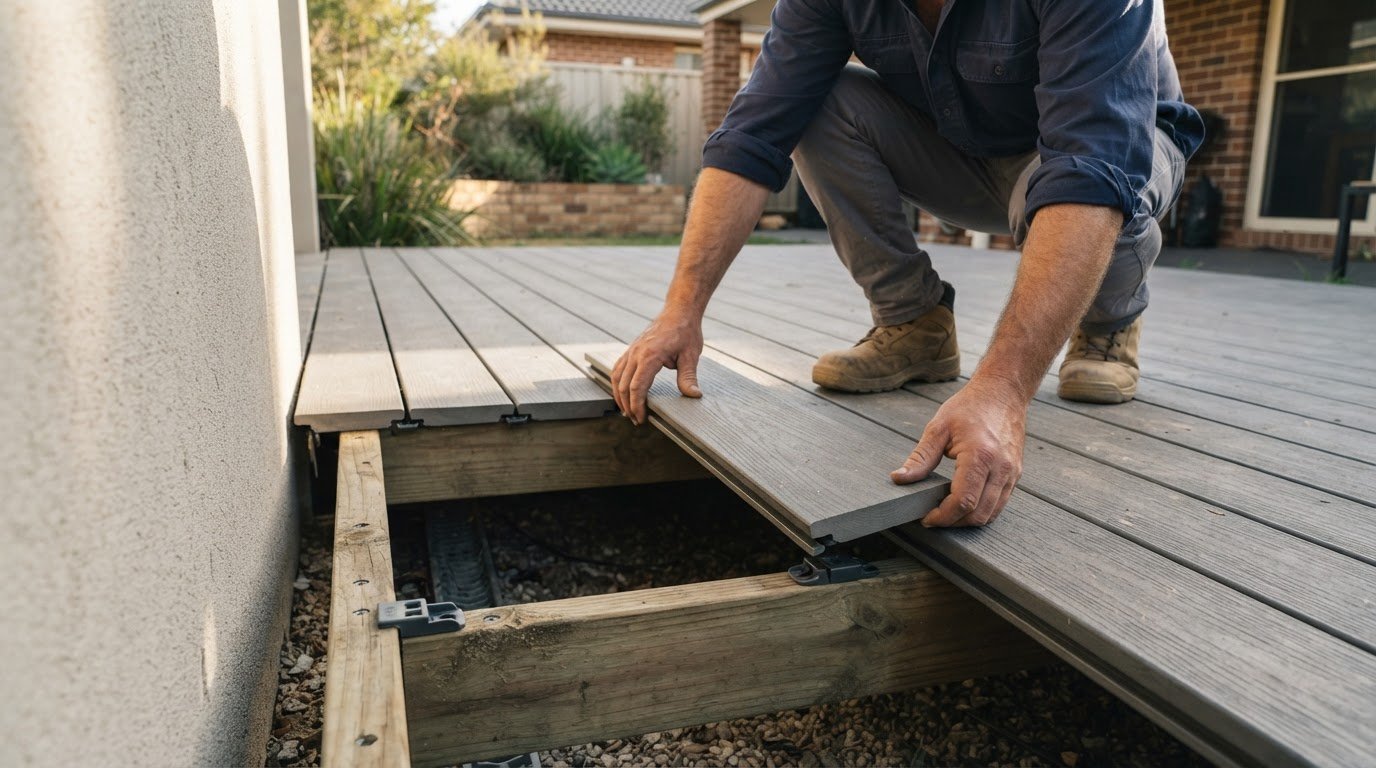
For repairs, distinguish surface wear from structural movement. A weathered board may need maintenance or replacement, while persistent movement calls for attention to the underlying frame. Installation choices matter too: boards need room to move as moisture changes, and the substructure needs airflow and drainage. For example, the recommendations include a 5mm gap for boards up to 90mm wide and a 7mm gap for 130mm-wide boards. Hardwood selection also affects workability, so species and construction should suit the exposure and intended use.
Which Australian timber species suit decking? Blackbutt has fire-resistant qualities, spotted gum is described as durable and fire resistant, and merbau is durable and resistant to insects. The best fit depends on the local climate, exposure and project design.
How do timber costs and maintenance compare with composite? Natural timber costs are compared over a 5 to 10-year period, while a market estimate suggests composite’s upfront price difference may pay for itself after approximately 2 years. The comparison depends on the deck and its upkeep.
What environmental and sourcing issues matter? Consider the timber species, its source and how it was harvested. Clear sourcing information can help you understand the material’s origin and make a more informed choice for an outdoor project.
For an alternative decking material, composite decking options can help frame that comparison alongside timber’s care requirements.
2. Sealing timber and preventing water damage
Water absorbed by exposed boards can cause swelling, warping and splits. As timber dries, movement can leave rough edges or splinters, while repeated wetting can weaken the material. A suitable sealer slows water absorption, but it won’t repair decay or fix poor drainage. Clear leaves from gaps and make sure water can drain away before applying a coating.
Preparation affects how well a coating performs. Clean the boards, remove dirt and let the timber dry before applying the chosen treatment. Follow the product’s directions for application and recoating, as treatments differ. A patchy finish, faded colour or water soaking quickly into a bare area can signal that protection is wearing away.
How often should a timber deck be cleaned, oiled, stained or sealed in Australia? Deep clean the deck and reapply protective treatments annually; oil-based treatments may need reapplication every 6-12 months, while surface refinishing is recommended every 12-24 months. Reseal once a year or as directed by the chosen product, with coastal exposure calling for more frequent maintenance.
Check for structural changes during every maintenance visit. Boards that feel soft underfoot, sagging areas, loose connections or a deck that moves can point to damage beneath the surface. A small crack in one board is different from movement across a larger area. If the frame appears affected, surface sealing alone won’t address the cause.
Termites can damage timber out of sight, particularly around posts and other concealed areas. Small holes or sawdust-like material near a post can indicate termites or other wood-boring insects. Regular termite inspections can help identify activity before it compromises more of the deck. Don’t dismiss fresh sawdust as ordinary debris without looking for its source.
Splinters can indicate weathered timber, but they may also occur where water has damaged a board. A deck inspector may probe timber with an ice pick or screwdriver: healthy wood splinters clearly, while decayed timber breaks quietly. This assessment can help distinguish surface wear from deterioration that needs closer structural attention.
Keep a simple record of treatment dates and visible changes. For example, noting a soft board after annual cleaning can help track whether deterioration is spreading. If ongoing maintenance is shaping your next outdoor project, explore decking and cladding options alongside the care a timber surface requires.
3. Decking resistance to moisture, mould and pests
Mould or algae on timber boards can signal trapped moisture, not just a change in appearance. Persistent dampness can create conditions for rot and decay, particularly where airflow beneath the deck is limited. Look for growth in shaded corners, around posts and where debris collects. Clearing these areas helps reveal whether the moisture source is localised or affects more of the structure.
Timber also responds to seasonal moisture changes. A 130mm-wide decking board can expand about half a millimetre for each 1% increase in moisture content during winter. If board moisture rises by 4% to 6%, the width may increase by about 2mm to 3mm. Gaps that are too narrow can restrict this movement, causing boards to press together, lift or distort.
Airflow beneath the deck is a separate safeguard. Gaps between boards help water drain, but they don’t replace fresh-air ventilation below the structure. Check whether stored items, garden growth or accumulated leaves are blocking airflow. Keeping the underside clear helps damp conditions disperse and makes it easier to spot changes around joists, bearers and posts.
Post installation can affect how moisture reaches structural timber. Setting timber posts directly in concrete can expose them to moisture-related rot. For a timber deck in Brisbane, using stirrups to hold posts above ground helps limit direct contact with damp soil. The post base still needs to drain and remain visible enough for inspection, rather than being concealed by mulch or garden beds.
A moisture meter measures timber moisture content and can help identify areas at risk of rot. Use readings alongside visible signs such as soft timber, persistent damp patches or mould returning after cleaning. Small holes or sawdust-like material around posts may indicate termites or other wood-boring insects. These signs warrant a closer inspection of nearby timber, including concealed connections.
Protective coatings can help shield timber balconies and decks from the elements, but their condition matters. Paints, stains and preservatives are part of a wider maintenance approach; they don’t remove trapped moisture or repair decayed wood. Resin-based sealers bond with timber fibres to create a moisture barrier, but must be completely stripped before reapplication. Applying another coat over existing resin can compromise the finish.
Durability also depends on the timber species and the deck’s exposure. Merbau is described as durable and resistant to insects, but no species removes the need to manage moisture. For example, boards that stay damp beneath a shaded planter can still develop mould. Address drainage, airflow and coating condition together to protect the deck’s structure and appearance.

4. Timber decking lifespan and decay
Timber deck lifespan isn’t a single number. Australian estimates range from 10 to 15 years for natural timber decks, while properly cared-for decks may last 40 to 50 years. Untreated decks are estimated to last fewer than 20 years. These figures reflect different conditions, not a guaranteed service life for every outdoor deck. Construction quality, species, exposure and maintenance all influence how long the boards and supporting structure remain serviceable.
Local conditions can affect timber decks across Australia. Natural timber may decay earlier in damp or coastal environments, where moisture and salt exposure place extra demands on the deck. A sheltered outdoor area faces different conditions from one exposed to persistent dampness. Drainage, ventilation and how quickly wet surfaces dry all affect timber’s long-term condition.
Species also matters, but it doesn’t determine lifespan alone. Merbau decking can last 25 years or more with proper care. Spotted gum is described as durable and fire resistant, while Blackbutt has fire-resistant qualities. Species selection should account for the project’s exposure and design, as well as the maintenance the owner can sustain. Choosing a suitable timber is one part of planning for longevity.
Decay often develops gradually. Check decking boards for soft spots, deep splits, persistent discolouration and edges that crumble under pressure. Compare suspect areas with nearby boards that remain firm. If a board feels spongy or breaks down quietly when probed, the problem may extend beyond surface weathering. The supporting structure matters too: movement, sagging or recurring damage can indicate that the frame needs assessment, not simply a fresh coating.
Repair is practical when deterioration is localised and the surrounding structure is sound. Replacing a damaged board can address a contained problem; widespread decay, recurring movement or compromised supports may point to more extensive work. A repair should also address the conditions that contributed to deterioration. Otherwise, replacement timber may face the same exposure and deteriorate in the same area.
Decks designed and built to comply with National Construction Code provisions are considered to meet safe service life standards when properly maintained. Longevity therefore depends on both construction and ongoing care. Keep a record of maintenance and repairs, and note where deterioration returns. For example, a recurring soft area near a post deserves closer attention than an isolated surface mark.
The practical takeaway is to judge the whole deck, not its age alone. Species, exposure, construction, treatment and maintenance all shape how long timber remains serviceable. If you’re considering a different approach for an outdoor area, explore decking options alongside the care a timber deck requires.
Paveezzi Composites
Paveezzi Composites can help homeowners considering an alternative to timber understand the available composite decking choices. When ongoing sealing, staining or repairs are influencing your plans, comparing materials and finishes can clarify what may suit your outdoor space.
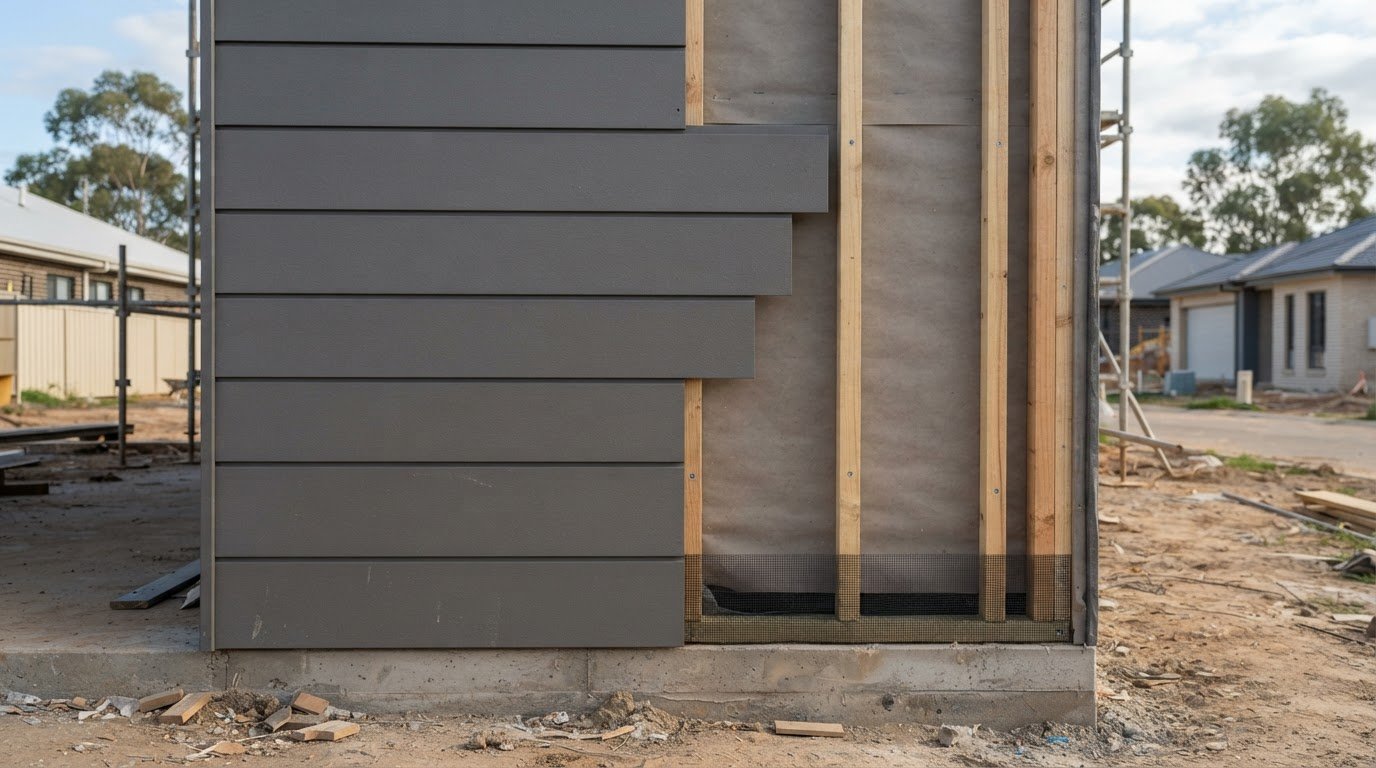
The range includes Decking Ressisto 143 Brushed and Decking Ressisto 138 Extra Matte. These options provide a starting point for considering the look and material of a new deck, while the right choice depends on the project’s design and requirements. Paveezzi Composites also offers cladding, including Ressisto 144 Fineline and Ressisto Lightissimo202, for projects that bring outdoor surfaces together.
For information about Paveezzi Composites’ decking options and how they may suit your project, contact the team.
Plan an outdoor space that suits your priorities
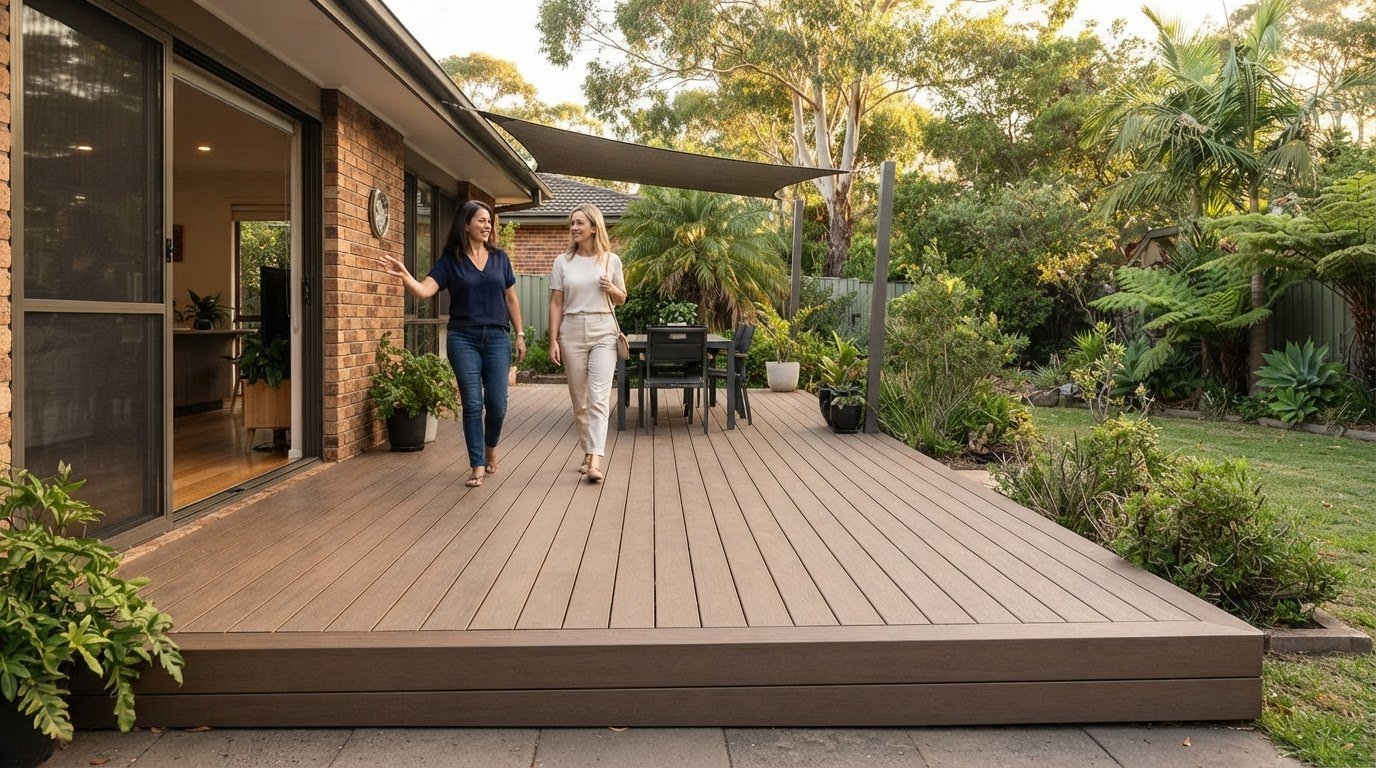
Problems with timber decking in Australia can prompt a broader design decision: whether to maintain the existing surface or plan a different material for your outdoor area. Start with how you want the space to look and function, then weigh that against the time and care you’re comfortable giving it. A clear brief makes it easier to discuss materials, finishes and how the deck connects with the rest of your home.
There’s no single right choice for every project. Your climate, site conditions and design goals all shape what makes sense. Considering those priorities can help you make a thoughtful decision for the space ahead, rather than focusing only on the immediate repair.
For a conversation about options for your project, contact Paveezzi Composites today. A well-planned outdoor space starts with the choice that feels right for your home.
Frequently Asked Questions
Is composite decking worth it?
Composite decking can suit homeowners who want less routine upkeep than natural timber requires. Paveezzi Composites’ composite decking is designed for Australian weather and won’t rot or splinter. Its surface is slip-resistant in wet and dry conditions. Consider its appearance, maintenance needs and intended use together. It’s worth considering when reducing ongoing timber care matters more to you than choosing a natural timber surface.
What is the best decking material for your project?
The best decking material is the one that fits your site, design and maintenance preferences. For a shaded courtyard, consider how the surface will look alongside nearby landscaping and how easily you can clear debris. For an exposed entertaining area, think about weather exposure and the care you’re willing to provide. Natural timber offers a timber appearance, while composite decking offers a low-maintenance alternative.
What is wood-plastic composite and how is it different from timber?
Wood-plastic composite generally combines wood fibres with plastic polymers, unlike a natural timber board, which is cut from wood. The precise composition varies between products, so the general term doesn’t describe every board’s formulation. Paveezzi Composites supplies composite decking designed not to rot or splinter, with slip-resistant properties in wet and dry conditions. These features distinguish its decking from the maintenance needs of natural timber.
When do decking mistakes happen?
Decking mistakes can begin during planning, material preparation or construction. For example, fitting boards without allowing for movement can create pressure between them as conditions change. Treatment also needs to reach surfaces that will be hidden: applying preservative to board faces, edges and trimmed ends before installation helps protect exposed timber. Applying another coat to exposed surfaces after fitting adds a further layer of care.
Which is better in Australian conditions?
Neither timber nor composite is automatically better for every Australian site. The choice depends on exposure, desired appearance and ongoing care. In a coastal or frequently wet setting, consider how much maintenance you can commit to and how the material performs in changing weather. Paveezzi Composites’ composite decking is designed for harsh Australian conditions, while natural timber’s performance depends on species, construction and upkeep.
What are the most common problems with timber decking in Australia?
Common problems with timber decking in Australia include warping, cracking, splintering, mould, decay, insect damage and corroding fixings. Black marks can also appear when metal fragments react with timber tannins in wet conditions. A loose board may be a local repair issue, while movement across the deck can point to a deeper structural concern. Identifying whether the problem affects one board or the supporting frame helps guide the next step.
Comments